Traditional Herbal Formats
Illustrative examples of preparation methods and presentations
Catalog of Herbal Preparations
The following catalog presents illustrative examples of traditional herbal formats for ashwagandha and tongkat ali. These represent common preparation methods documented across Southeast Asian and Ayurvedic traditions. Each format reflects specific cultural practices and preparation techniques.
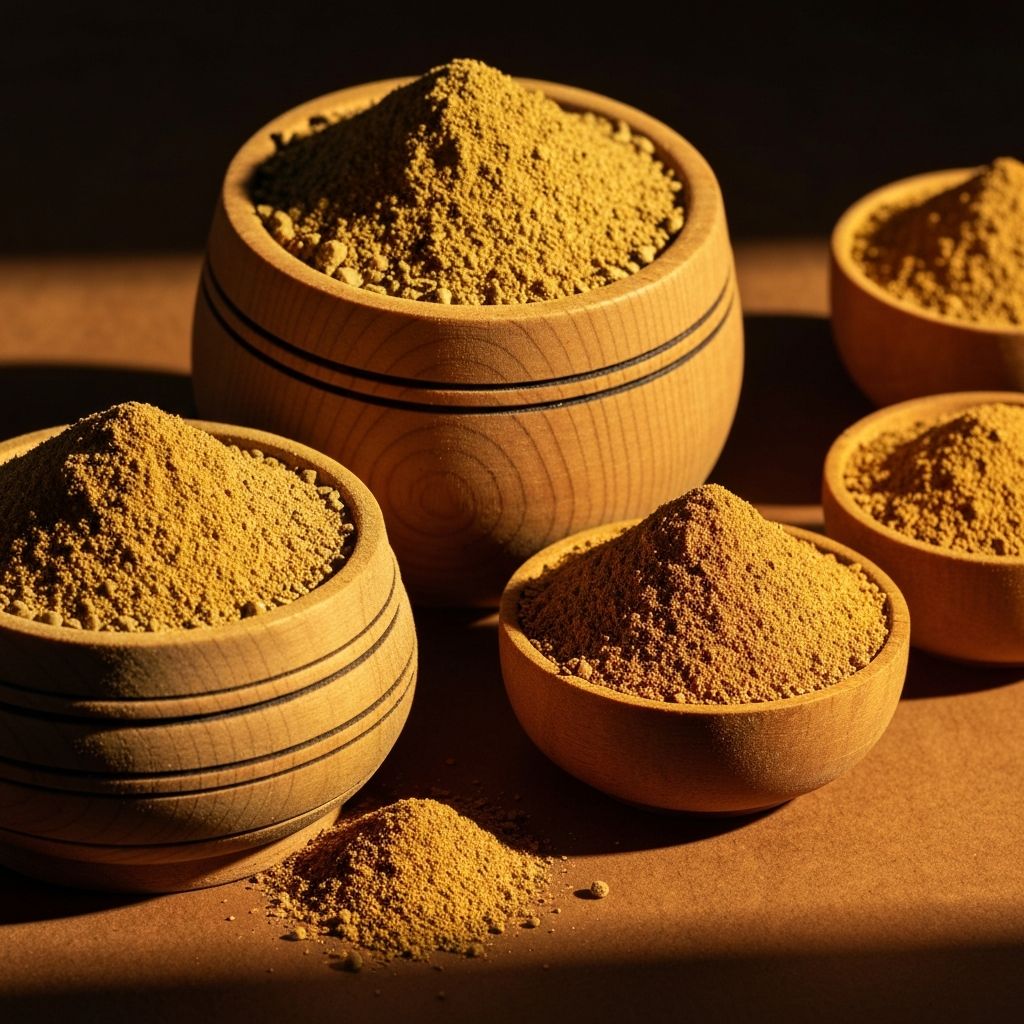
Withania somnifera Root Powder
Classic ground form of ashwagandha root, prepared through traditional drying and grinding methods. Fine, light-colored powder produced from whole dried roots using stone mills or wooden implements.
- Traditional processing method
- Fine, consistent texture
- Cultural heritage preparation
Eurycoma longifolia Root Extract Powder
Concentrated traditional base prepared from tongkat ali roots through extraction and drying processes. Darker in color with intensified bitter properties characteristic of Southeast Asian traditional medicine.
- Historical extraction method
- Natural deep color
- Simple integration option
Combined Root Powder Blend
Mixed preparation featuring ashwagandha and tongkat ali roots ground together. Represents traditional pairing practice combining Indian Ayurvedic and Southeast Asian herbal knowledge systems.
- Traditional pairing example
- Varied textured composition
- Folk practice documentation
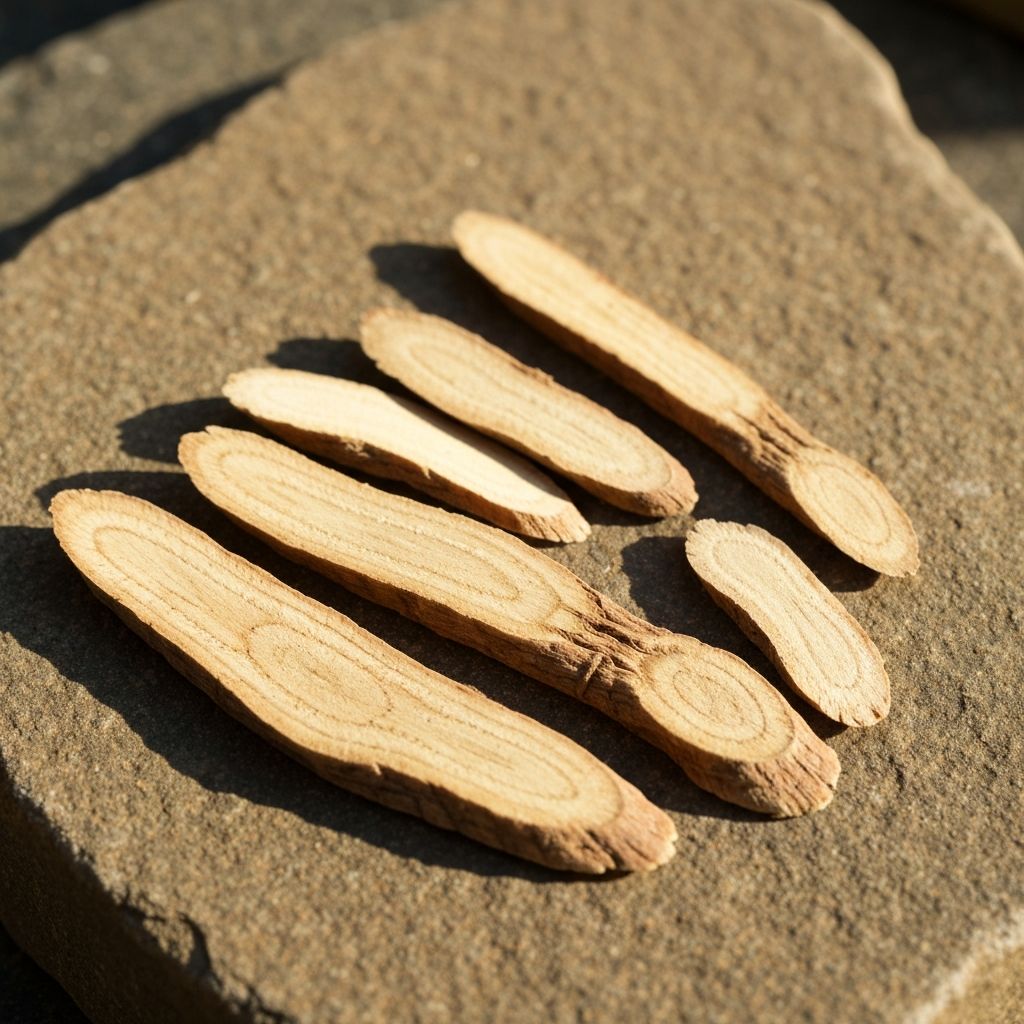
Dried Root Slices for Infusion
Minimally processed slices of ashwagandha and tongkat ali roots suitable for traditional decoctions and infusions. Maintains authentic appearance and allows visual verification of material quality.
- Authentic preparation method
- Visual clarity and inspection
- Gentle brewing application
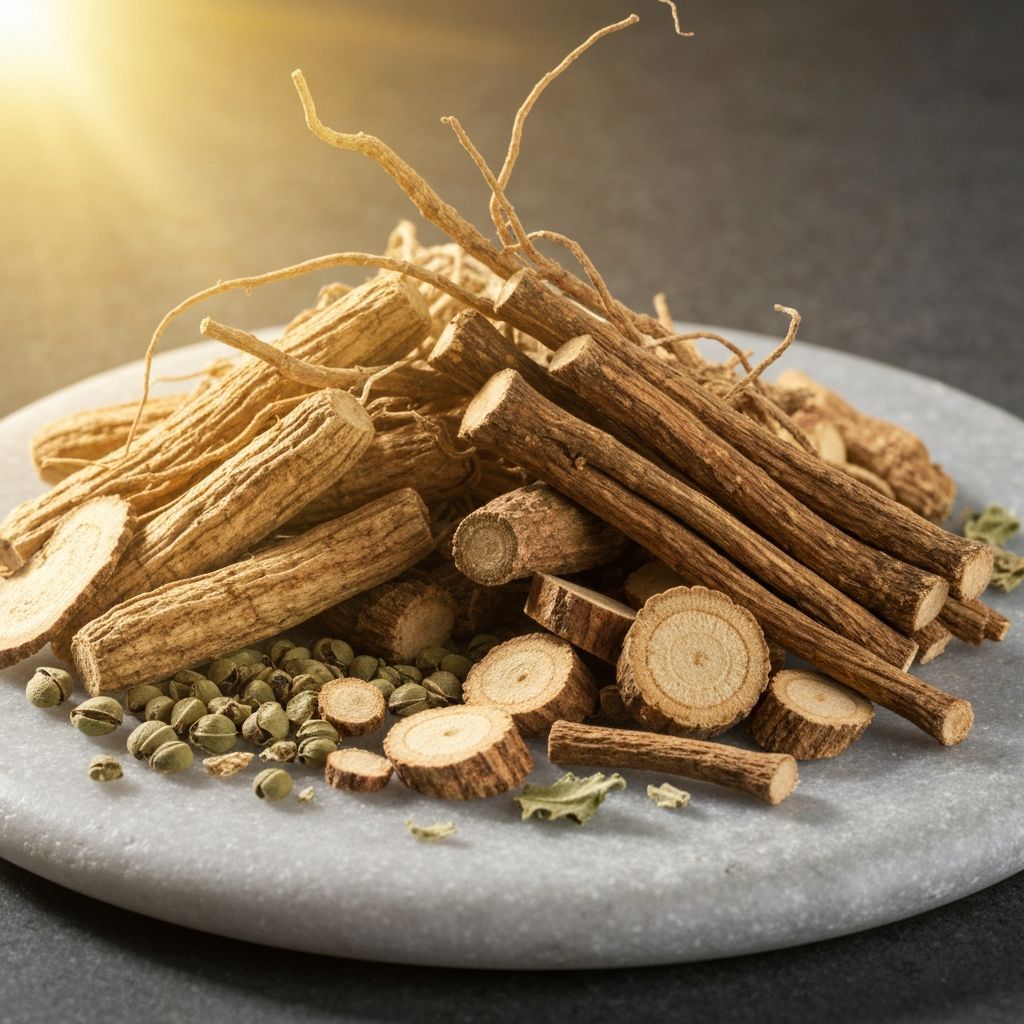
Herbal Multi-Root Mix
Comprehensive blend featuring ashwagandha, tongkat ali, and additional regional herbs from Southeast Asian and Indian traditions. Represents broader traditional herbal recipes incorporating multiple plant materials.
- Broader traditional recipe
- Layered plant composition
- Cultural diversity representation
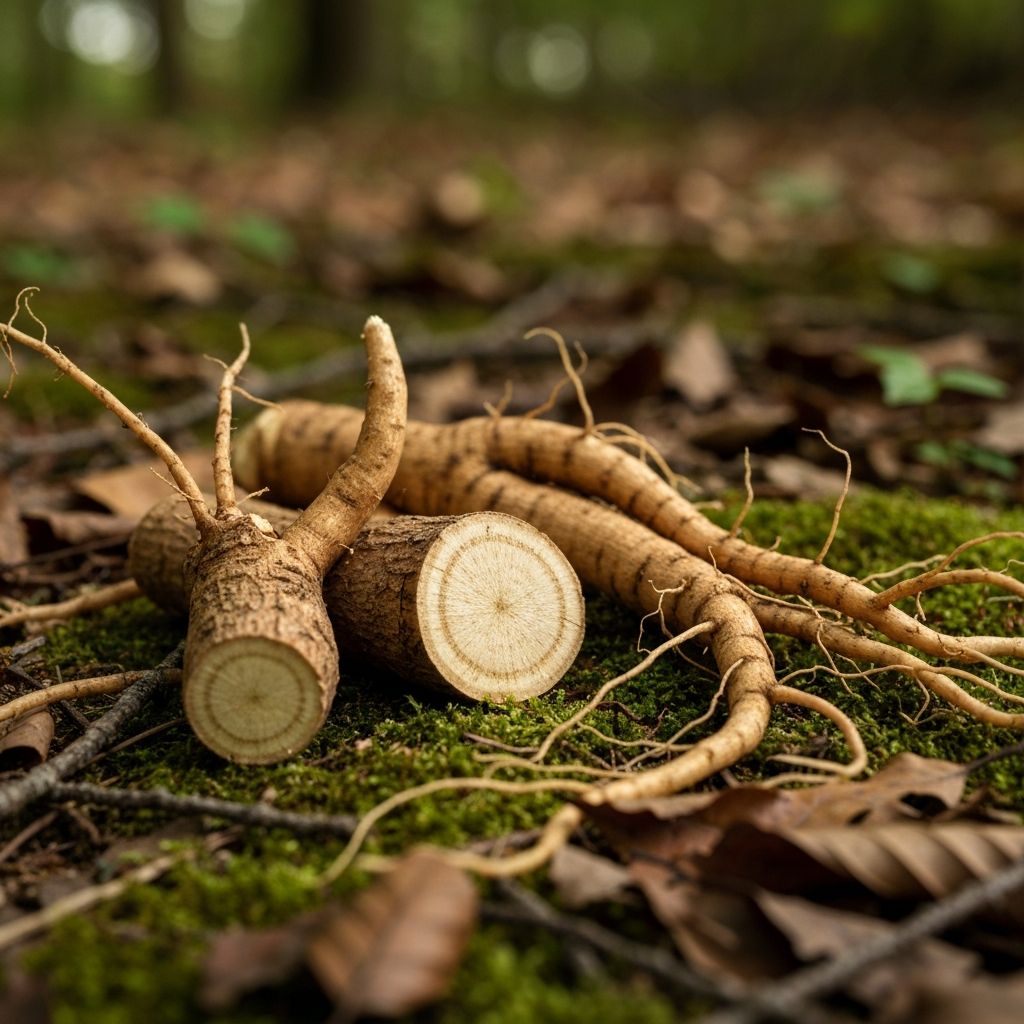
Pure Wild-Harvested Root Pieces
Closest to natural collection form, featuring whole or large-chunked roots in their most unaltered state. Represents traditional sourcing practices and botanical authenticity as valued in Southeast Asian forest traditions.
- Unaltered natural form
- Traditional forest sourcing
- Botanical purity representation
Educational Catalog Purpose
This catalog presents illustrative examples of traditional herbal formats for educational purposes only. It demonstrates common preparation methods and presentations documented across cultural traditions without making recommendations or claims about specific products or brands.
No specific manufacturers or commercial suppliers are endorsed. This information is intended to help readers understand traditional approaches to herbal preparation and presentation within their cultural and historical contexts.